Bead Sizes Explained: 6/0, 8/0, 11/0, and 15/0
What the Difference Really Looks Like
One of the most confusing parts of learning to bead is understanding bead sizes. The numbers feel backwards, the beads look similar at first glance, and it can be hard to tell which size is meant for what.
If you have ever wondered what 6/0, 8/0, 11/0, or 15/0 actually mean in real life, you are not alone. This is one of those things that makes much more sense once you see and handle the beads yourself.
Let’s walk through it in a practical way.
Why Bead Sizes Feel Backwards at First
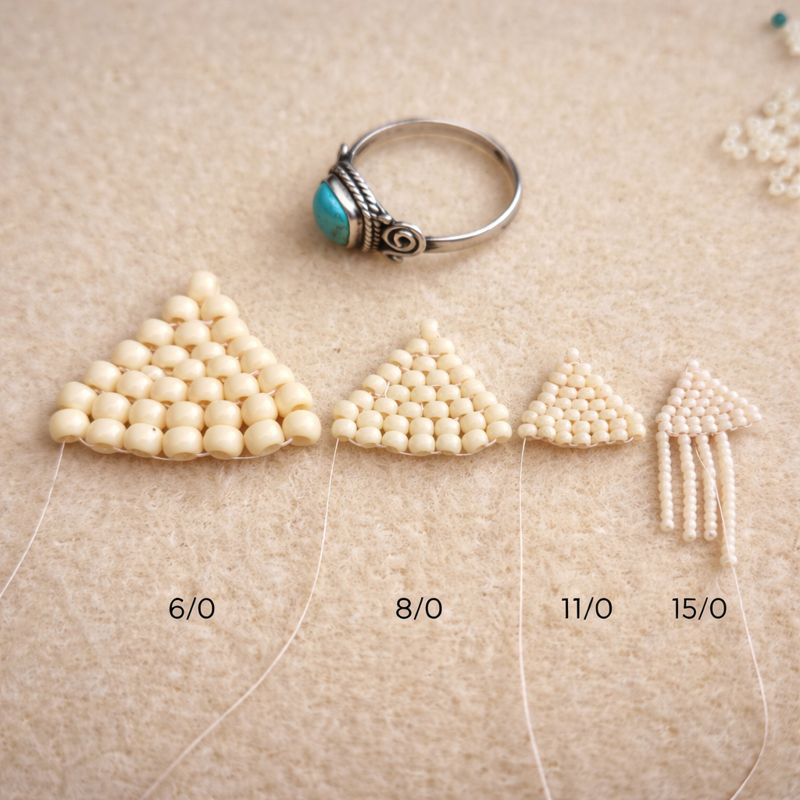
With seed beads, the larger the number, the smaller the bead. That feels counterintuitive, especially when you are new. You do not need to remember where the system came from or worry about the math behind it.
What matters is knowing how each size behaves and what it is commonly used for.
6/0 Seed Beads
6/0 seed beads are large and very easy to see. When you hold them in your hand, they feel bold and substantial.
These beads are commonly used for statement jewelry, chunkier designs, bead embroidery, decorative accents, and projects where you want the bead itself to stand out. They are also comfortable for practice, especially if eyesight or hand fatigue is a concern.
Because of their size, they are not usually used for delicate bead weaving, but they absolutely have their place.
8/0 Seed Beads
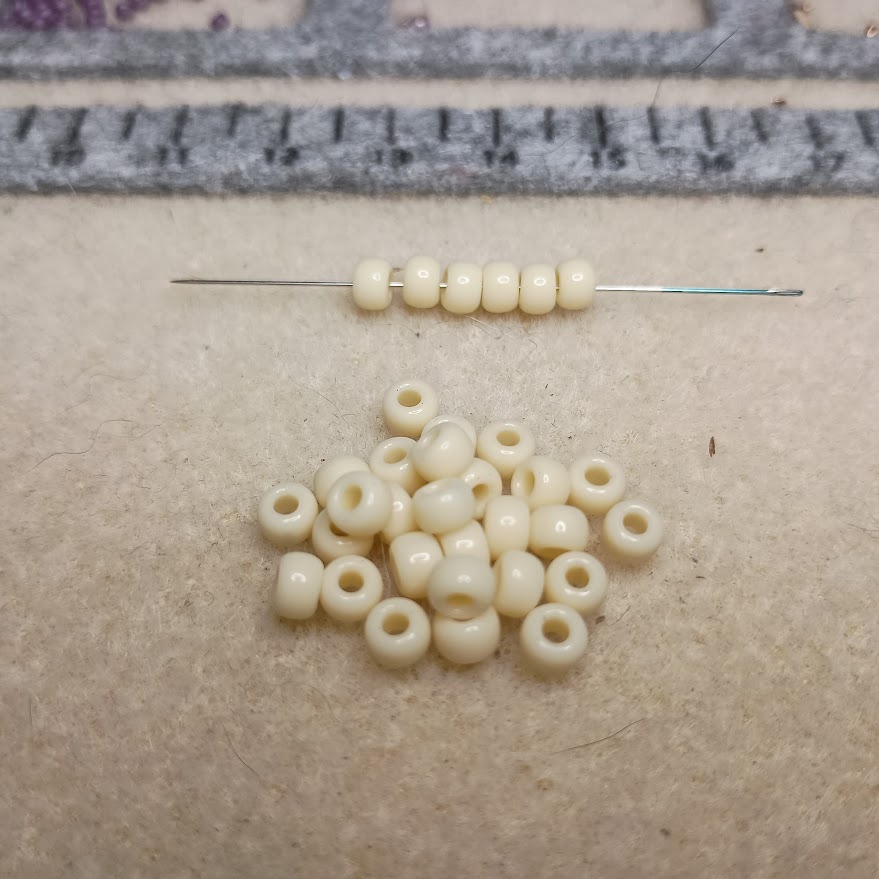
8/0 beads sit in a very comfortable middle ground.
They are still easy to see and handle, but they start to feel more like traditional beadwork. Many beginners find this size forgiving and enjoyable to work with. It is a great size for learning stitches, making slightly bolder earrings, bead embroidery, and fringe with more movement.
If you are brand new to beading, this size often feels like a gentle place to begin.
11/0 Seed Beads
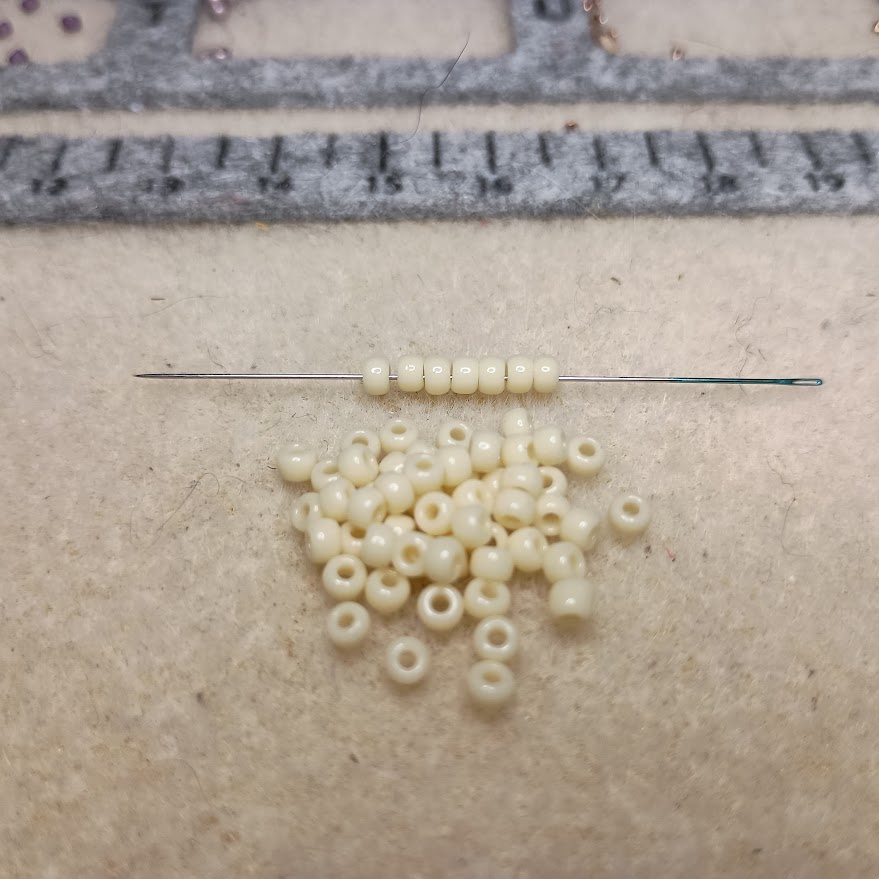
11/0 beads are the most commonly used size in bead weaving.
This is the size you will see most often in patterns, tutorials, and finished jewelry. They are versatile, detailed without being overly delicate, and suitable for brick stitch, peyote stitch, loom work, fringe earrings, bracelets, and more.
Many beaders eventually find themselves reaching for 11/0 beads most often because they work well for such a wide range of projects.
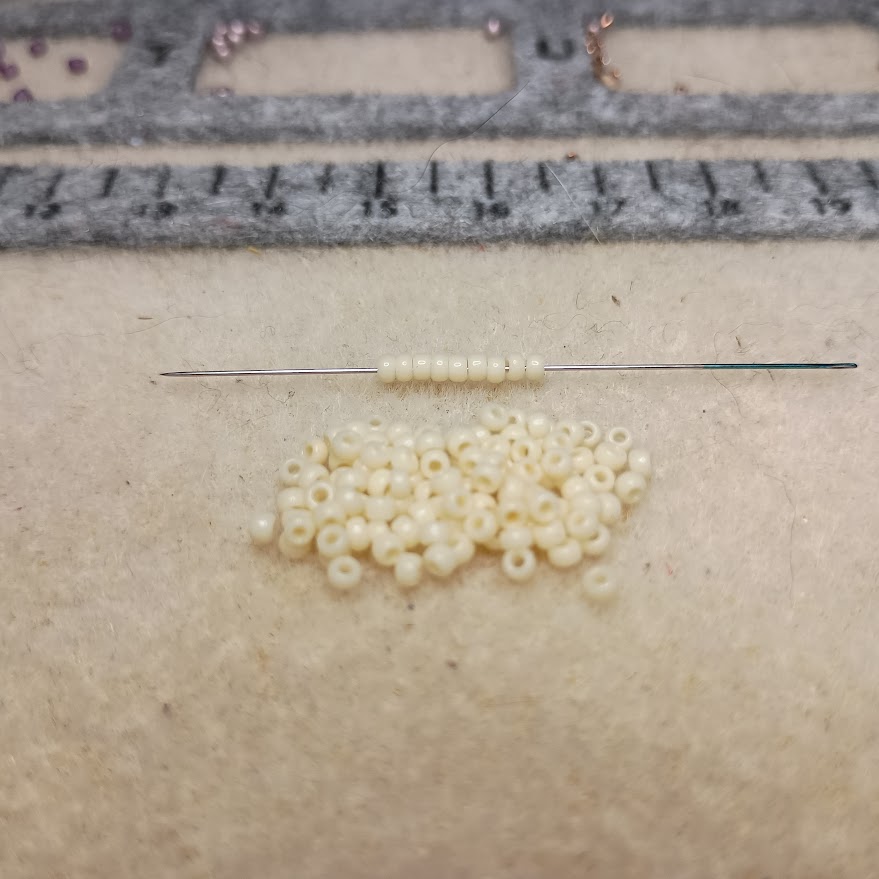
15/0 Seed Bead
15/0 beads are very small, delicate, and precise.
They are commonly used for fine detail work, edging, outlines, accent rows, and places where subtlety matters. These beads require good lighting, steady tension, and patience. While they are beautiful, they can be frustrating if you are still learning how stitches behave.
Most people add this size later, once the basics feel comfortable.
What Can Be Made With Each Size
While there are no strict rules in beading, different sizes naturally lend themselves to different kinds of projects.
Larger beads like 6/0 are often used for bold designs and decorative work.
8/0 beads are popular for beginner projects, bead embroidery, and earrings with a little more presence.
11/0 beads are used for most bead weaving techniques and detailed jewelry.
15/0 beads are usually reserved for fine accents and delicate finishing work.
Part of the joy of beading is experimenting and discovering what feels right for your hands and your style.
A Quick Note About Delica Beads
You may also see beads labeled as Delicas, most often in sizes like 11/0 or 15/0.
Delica beads are cylinder beads, meaning they have straight sides and are very uniform. Even though the size numbers are similar, an 11/0 Delica does not behave the same way as an 11/0 traditional seed bead. Delicas sit tighter together and create very straight, grid-like designs, while seed beads have a slightly rounded, more organic feel.
Many beaders love Delicas for precise, geometric patterns. Others prefer traditional seed beads for their softness and movement. If you are just starting out, you do not need to decide between them yet. The size concepts you are learning apply to both.
Start Where You Are
You do not need to memorize bead sizes or own every option available.
Start with one size, one type of bead, and one small project. As your hands learn and your confidence grows, everything else will start to make sense naturally.